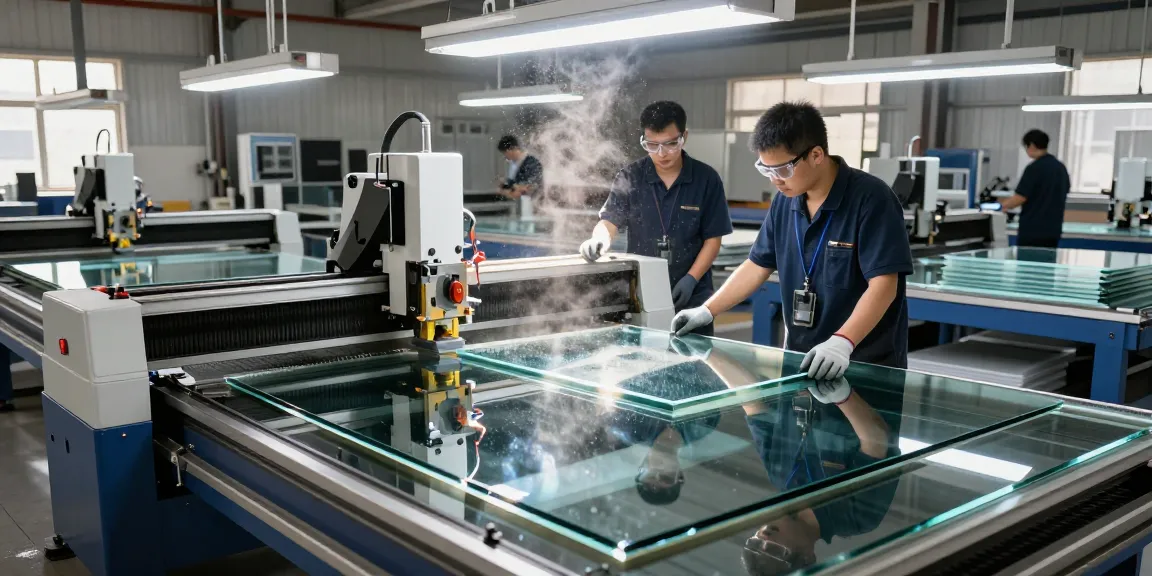
Understanding Glass Cutting Tables
Glass cutting tables are essential tools in the glass processing industry, providing a dedicated surface for cutting, shaping, and processing various types of glass. They are designed to accommodate different cutting techniques, ensuring precision and efficiency in glass production. Whether you are a small workshop or a large manufacturing unit, investing in the right glass cutting table can significantly enhance your production capabilities. When exploring options, glass cutting table provides comprehensive insights into the best choices available.
What is a Glass Cutting Table?
A glass cutting table is a specialized work surface equipped with features that facilitate the accurate cutting of glass sheets. These tables come in various designs, ranging from manual to fully automated systems, catering to different operational needs in the glass industry. Typically, they feature a flat, stable surface that can handle the weight of large glass sheets, reducing the risk of breakage or mistakes during the cutting process.
Types of Glass Cutting Tables Available
There are several types of glass cutting tables, each suited to different applications and production scales:
- Manual Glass Cutting Tables: Basic tables that allow operators to cut glass using hand-held tools. These are ideal for small projects or workshops with low production volume.
- Semi-Automatic Glass Cutting Tables: These tables incorporate some automated features, such as a scoring mechanism, while still requiring manual input for positioning. They strike a balance between cost and efficiency.
- Fully Automatic Glass Cutting Tables: High-end systems that automate the entire cutting process. Equipped with CNC technology, these tables can execute complex cuts with minimal human intervention, ideal for large-scale manufacturing.
- Specialized Cutting Tables: Designed for specific applications, such as those used in the production of tempered or laminated glass. These may feature additional capabilities for edge finishing or coatings.
Key Features to Consider When Choosing
When selecting a glass cutting table, consider the following key features:
- Size and Dimensions: Ensure the table can accommodate the size of the glass sheets you typically work with.
- Weight Capacity: The table should be robust enough to handle heavy glass without warping or damage.
- Type of Cutting Mechanism: Decide whether you need manual, semi-automatic, or fully automatic systems based on your production needs.
- Material Quality: High-quality materials will ensure durability and performance, especially under continuous use.
- Additional Features: Look for features like built-in measuring tools, vacuum hold-downs, or integrated software for optimized cutting paths.
Advantages of Using a Glass Cutting Table
Utilizing a dedicated glass cutting table offers numerous advantages, making it a worthwhile investment for any glass processing operation.
Efficiency in Glass Processing
One of the significant benefits of using a glass cutting table is increased efficiency. These tables are designed to streamline the cutting process, allowing for quick set-ups and minimal downtime between cuts. With automation features, they can process multiple sheets in less time than manual cutting methods.
Improved Safety Protocols
Safety is paramount in glass processing. Glass cutting tables often feature design elements that enhance worker safety, such as smooth edges, stable surfaces, and mechanisms that minimize the risk of glass breakage. Additionally, operators are typically positioned away from sharp edges and moving parts, reducing the likelihood of accidents.
Enhanced Precision and Quality of Cuts
Glass cutting tables are engineered to provide high precision during cuts. The use of CNC technology in automatic tables allows for intricate designs and consistent quality, which can significantly reduce waste in material and costs. This level of accuracy is essential for industries that require tight tolerances, such as construction and automotive.
Choosing the Right Glass Cutting Table for Your Needs
Selecting the appropriate glass cutting table involves assessing several factors that align with your operational requirements.
Assessing Your Production Volume
Consider the volume of glass you need to process daily. For high-volume operations, investing in a fully automatic glass cutting table will pay off in terms of speed and efficiency. Conversely, smaller workshops might find manual or semi-automatic tables sufficient for their needs.
Budget Considerations in 2026
Budgetary constraints can significantly influence your choice. While high-end fully automated tables provide advanced features, they also come at a premium cost. Determine your budget and explore options that offer the best value by balancing cost with features and performance.
Space Requirements in Your Workshop
Evaluate your available workspace before finalizing your choice. Ensure that the dimensions of the cutting table fit comfortably within your workshop and that there is sufficient room for the operation and movement of glass sheets.
Maintenance and Care for Glass Cutting Tables
Proper maintenance of your glass cutting table is essential to prolong its lifespan and ensure optimal performance.
Routine Maintenance Practices
Regular maintenance practices include cleaning the surface to remove dust and debris, checking for any wear and tear on the cutting mechanisms, and ensuring that moving parts are properly lubricated. Establishing a consistent maintenance schedule can help prevent costly repairs down the line.
Common Issues and Troubleshooting
Common issues that operators may encounter include misalignment, dull cutting edges, or malfunctioning automatic features. Troubleshooting these problems typically involves recalibrating the machine, sharpening or replacing cutting tools, and inspecting electronic components for faults.
When to Seek Professional Service
If you encounter persistent issues that cannot be resolved through routine troubleshooting, it may be time to seek professional service. Manufacturers often provide maintenance services or can recommend qualified technicians who are experienced with their products.
Future Trends in Glass Cutting Technology
The glass processing industry is evolving rapidly, and keeping abreast of emerging trends is essential for any business looking to maintain its competitive edge.
Innovations Emerging in 2026
In 2026, we anticipate a rise in the adoption of AI-driven technologies that enhance the efficiency and precision of glass cutting. These innovations can help predict maintenance needs, optimize cutting paths, and reduce material waste significantly.
Smart Technology Integration
Smart integrations, such as IoT-enabled glass cutting tables, are becoming more popular. These systems can relay real-time data to operators, allowing for better decision-making and improved operational efficiency. Monitoring systems can track production metrics and alert users to any anomalies before they escalate into problems.
Environmental Considerations and Sustainability
The glass industry is increasingly focused on sustainability, with more materials being recycled and energy-efficient machines being developed. Emphasizing eco-friendly practices not only helps the environment but can also improve a company’s image and compliance with regulations.
What is the average cost of a glass cutting table?
The cost of a glass cutting table can vary widely based on its features, size, and automation level. Basic manual tables might start around $1,000, while advanced fully automatic systems can reach upwards of $50,000 or more. It’s crucial to evaluate your specific needs when budgeting for this investment.
How do I maintain a glass cutting table?
Maintaining your glass cutting table involves regular cleaning, lubricating moving parts, checking for wear on cutting tools, and periodically recalibrating the machine to ensure it operates effectively. Following the manufacturer’s maintenance guidelines is recommended.
What features should I look for in a glass cutting table?
When purchasing a glass cutting table, consider factors such as size and weight capacity, type of cutting mechanism, additional features for automation, and material quality. It’s also beneficial to look for tables that offer customization options if your production needs are specialized.
Are there specific glass cutting tables for different glass types?
Yes, certain cutting tables are designed specifically for different types of glass, such as tempered, laminated, or coated glass. These tables often incorporate specialized features to handle the unique properties of these materials safely and effectively.
What advancements in technology are expected for glass cutting tables?
Future advancements in glass cutting technology may include enhanced automation, improved software for cutting pattern optimization, and the integration of AI and machine learning to predict maintenance needs and streamline operations. The focus on sustainability will also drive innovations in materials used and energy consumption.