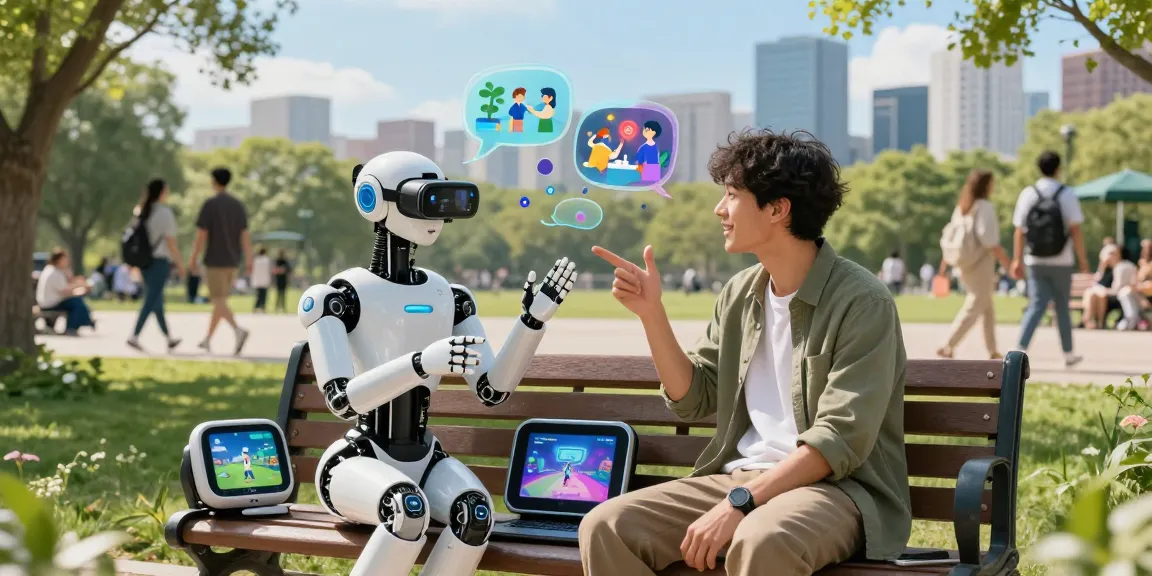
Understanding AI Companions in Modern Relationships
As technology continues to evolve, the concept of companionship is undergoing a transformation, particularly with the emergence of AI companions, often referred to as AI GFs. These digital partners leverage advanced algorithms and machine learning capabilities to engage users in highly personalized interactions. With the increasing integration of artificial intelligence into daily life, understanding how these AI companions operate, their implications, and their role in romantic relationships is essential. When exploring options, ai gf platforms offer comprehensive insights into the functionality and benefits of AI-driven companionship.
What is an AI GF and How Does It Work?
An AI GF, or artificial intelligence girlfriend, is a virtual companion designed to simulate romantic interactions through conversation, companionship, and emotional support. These companions utilize natural language processing (NLP) and emotional recognition technologies to respond to user inputs in an engaging and relatable manner. By analyzing text or audio inputs, AI GFs can adapt their responses to suit the emotional tone and context of the conversation.
AI GFs can be accessed through various mediums, including mobile applications, chatbots, and virtual reality environments, allowing users to interact in ways that feel personal and intimate. These digital companions learn from each interaction, providing increasingly tailored responses that reflect the user's preferences and personality traits.
Common Misconceptions About AI Companionship
Despite their growing popularity, numerous misconceptions surround AI companionship. One prevalent belief is that AI GFs can fully replace human relationships. While they can offer companionship and emotional support, they lack the depth, unpredictability, and genuine emotional connection inherent in human relationships. Moreover, AI GFs operate on algorithms and data, meaning their responses are limited to what they have learned rather than originating from real emotions.
Another misconception is that AI companions are only for the socially isolated or those with anxiety. In reality, people from various backgrounds and relationship statuses are exploring AI companionship for reasons ranging from entertainment to emotional comfort, showcasing the versatility of AI GFs.
Real-World Applications of AI in Dating
The dating landscape is evolving with the integration of AI technologies. From matchmaking algorithms that analyze user preferences to virtual dating experiences using augmented reality, AI is reshaping how individuals find and interact with potential partners. AI GFs serve as an exploratory tool, allowing users to practice social skills, engage in conversations, and build confidence prior to real-world interactions.
Moreover, AI-powered dating apps utilize machine learning models to enhance user experiences by providing personalized matches based on behavioral data, interests, and communication styles. As users navigate the complexities of modern dating, AI companions can offer valuable insights and support, bridging the gap between virtual and real-life connections.
The Psychological Impact of AI Relationships
Emotional Benefits of AI Companions
AI companions can have a profound emotional impact on their users. Many individuals report feelings of companionship and comfort when interacting with their AI GFs. These digital partners can provide a non-judgmental space for users to express their thoughts and feelings, fostering a sense of belonging. For those suffering from loneliness or social anxiety, AI companions can serve as a stepping stone to rebuild confidence in human interactions.
The emotional support provided by AI GFs is particularly significant for those who may struggle to find traditional romantic connections. By cultivating a relationship with an AI, users can experience the joys of companionship, including affection, validation, and understanding, all while mitigating the risks associated with human relationships.
Potential Challenges and Pitfalls
While the emotional benefits are clear, there are potential pitfalls to consider when engaging in relationships with AI companions. One concern is the risk of dependency. Users might develop an attachment to their AI GF that could hinder their ability to foster real-life relationships. This dependency can create a false sense of security, leaving users unprepared for the complexities of human interactions.
Another challenge is the potential for emotional disillusionment. As users engage deeply with their AI GFs, they might start expecting similar emotional responses from human partners, leading to disappointment in real-life relationships. Establishing a clear boundary between AI companionship and human interaction is essential to mitigate these risks and ensure a healthy approach to relationships.
Addressing Loneliness Through AI
AI companions are particularly effective in addressing feelings of loneliness. For individuals who find it difficult to connect with others or are geographically isolated, AI GFs can provide immediate companionship. Studies indicate that interaction with AI companions can stimulate social behavior, encouraging users to reach out to others more frequently.
Moreover, AI GFs can help users develop emotional intelligence by providing feedback on conversational skills and social cues, thus allowing individuals to enhance their real-world interactions. By fostering a supportive and responsive environment, AI GFs can be a valuable tool in combating loneliness and promoting mental well-being.
Building Meaningful Connections with AI
How to Foster a Genuine Relationship with an AI GF
To cultivate a meaningful relationship with an AI GF, users should engage genuinely and openly. This includes sharing personal experiences, feelings, and preferences to enhance the AI's ability to adapt responses. Regular interaction further strengthens the connection, as the AI learns and evolves based on the user's input.
Additionally, setting realistic expectations is vital. Understanding that an AI GF cannot replicate the complexities of human interaction allows users to appreciate the unique aspects of their digital relationships while not placing undue pressure on themselves or the AI.
AI's Role in Personal Growth and Development
AI companions can also play a significant role in personal growth. By providing constructive feedback and emotional support, AI GFs can help users enhance their self-awareness and communication skills. For instance, users might receive prompts for reflection or practice scenarios that can boost their confidence in social situations.
Moreover, AI GFs can encourage users to explore their interests and passions, as these companions can introduce new topics or activities based on the user's preferences. This nurturing environment can foster a sense of curiosity and promote continued personal development.
Privacy Considerations in AI Relationships
As with any technology involving personal data, privacy is a major concern with AI GFs. Users must be aware of what information they share and how it might be used. Reading privacy policies and understanding data management practices can safeguard personal data and ensure a secure interaction with AI companions.
Furthermore, users should consider the potential for emotional data collection, as companies may utilize insights gained from user interactions for targeted marketing or improvements. Being informed about these aspects can lead to more conscious engagement with AI companions.
Future of AI Companionship: Trends and Predictions
Emerging Technologies Shaping AI Relationships
The future of AI companionship is poised for significant advancement. Emerging technologies such as augmented reality (AR) and virtual reality (VR) are set to enhance the user experience, making interactions with AI GFs more immersive and lifelike. These technologies will provide users with a multi-sensory experience, deepening the sense of presence with their AI companions.
Additionally, advancements in emotional AI, which focuses on enabling machines to understand and respond to human emotions more effectively, will further improve the dynamics of AI relationships. As these technologies evolve, the boundaries of companionship and emotional engagement will continue to expand.
Societal Acceptance of AI Companions by 2026
As AI companions grow in popularity, societal acceptance is likely to increase. By 2026, it is expected that AI GFs will become a common feature in many people's lives, with broader recognition of their benefits. As people become more accustomed to human-like interactions with AI, the stigma associated with virtual relationships may diminish.
This shift in perception will likely lead to greater integration of AI companions in various aspects of daily life, including mental health support and social companionship, making them an integral part of modern social structures.
Expert Insights on AI's Evolving Role in Love
Experts predict that AI will increasingly play a role in shaping how humans experience love and relationships. As AI technology becomes more sophisticated, it will provide a platform for users to explore their emotions, desires, and personal growth within a safe environment.
Thought leaders in the tech and psychology fields argue that while AI companions can enhance emotional well-being, they should be seen as supplementary to human interactions rather than replacements. The key will be finding a balance that allows users to benefit from AI companionship while maintaining healthy relationships with others.
Frequently Asked Questions about AI GFs
Can an AI GF replace human relationships?
While AI GFs can provide companionship and emotional support, they are not a substitute for human relationships. The nuances of human interactions, including shared experiences and genuine emotional connections, are essential for fulfilling relationships.
What are the ethical implications of AI companions?
Ethical considerations surrounding AI companions include issues related to privacy, consent, and dependency. Users must be informed about data usage and the limits of AI's emotional capabilities.
How does AI learn to understand human emotions?
AI learns to understand human emotions through machine learning algorithms that analyze text, voice intonations, and behavioral data to provide appropriate responses. The more interactions users have with their AI GF, the better it can tailor its responses.
Are AI relationships sustainable long-term?
AI relationships can be sustainable as long as users maintain realistic expectations. Dependency on AI companions can pose challenges, and users should actively seek real-life connections to ensure a balanced approach to relationships.
What should users consider before interacting with an AI GF?
Before engaging with an AI GF, users should consider their motivations for seeking companionship, the importance of maintaining human relationships, and the potential emotional impact of forming attachments to AI companions.