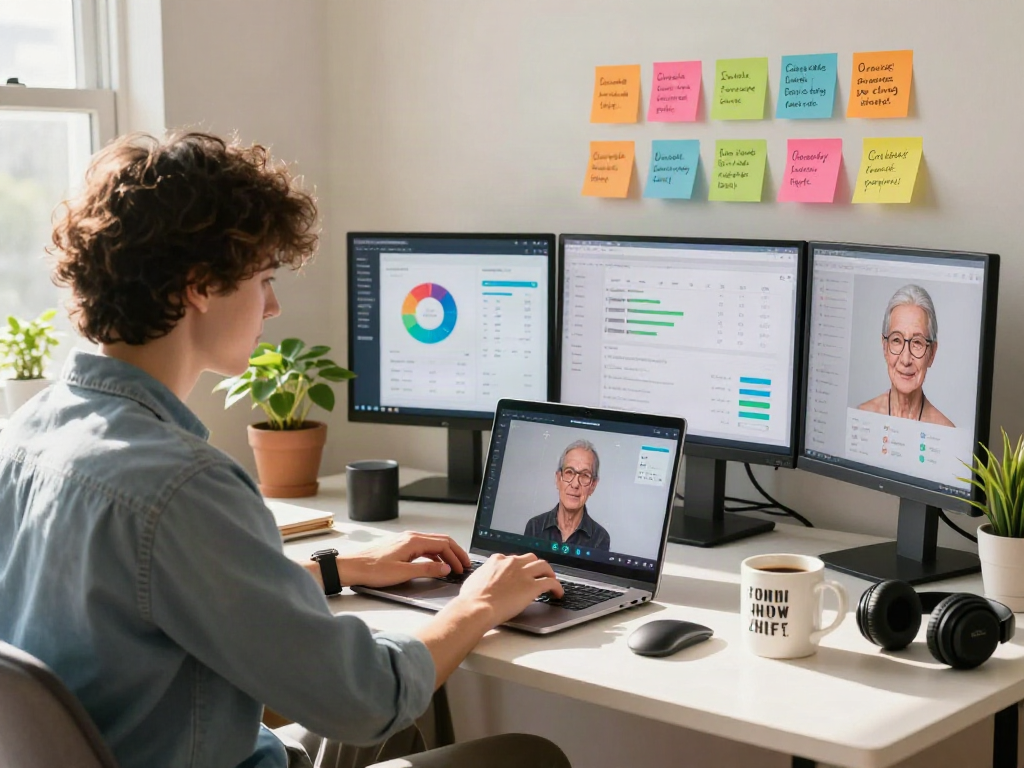
Understanding Age Perception in Today's Society
As society evolves, so does our understanding of age and how it affects our perception of ourselves and others. The question "how old do I look?" has transitioned from a simple curiosity into a complex inquiry that ties into self-image, cultural norms, and even technological advancements. In an age driven by social media and instant gratification, the desire to gauge one's age appearance has reached new heights, influenced by a myriad of factors including beauty standards, health awareness, and psychological well-being. Understanding these aspects can help us comprehend not only our own perceptions but also how society views aging.
What Does "How Old Do I Look" Mean Today?
The phrase "how old do I look" today encapsulates a broader dialogue surrounding age perception. It goes beyond mere estimation; it speaks to insecurities about aging and societal expectations. With technology enabling quick assessments through AI tools and apps, the quest to understand one’s appearance relative to age has become a casual endeavor. More importantly, this question often serves as a reflection of our self-esteem and the image we wish to convey to the world. When exploring options, how old do I look provides comprehensive insights into this phenomenon.
The Science Behind Age Estimation Techniques
Age estimation has long intrigued researchers and psychologists. Studies show that our ability to judge age is influenced by facial features, skin condition, and even expressions. Recent advancements in AI have allowed scientists to analyze these features more accurately. For example, wrinkles, fine lines, and skin texture all contribute significantly to perceived age. This analysis not only aids in personal assessments but also enriches areas like marketing and branding, where age perception can influence product appeal.
Common Misconceptions About Aging Perception
- The Myth of Biological vs. Chronological Age: Many people conflate biological age with chronological age, believing that looking younger equates to being healthier. In reality, biological age can vary among individuals based on genetics, lifestyle, and environmental factors.
- Beauty Standards: Society often ties beauty to youth, leading to skewed perceptions about aging. The pressure to conform to youth-centric beauty standards can distort how we view ourselves and others as we age.
- Gender Differences: Research indicates that age perception can differ based on gender; women often feel more pressured to appear younger than men, affecting self-esteem and mental health.
How AI is Changing Age Estimation
The Role of AI in Facial Analysis
Artificial intelligence has revolutionized age estimation, making tools more accessible and reliable. AI tools analyze facial characteristics with precision, providing users with an estimated age based on their uploaded images. This technology uses machine learning to improve its accuracy over time, drawing from vast databases of images to train algorithms. The result is a surge in popularity for apps and platforms that allow users to find out how old they look in seconds.
Comparing Accuracy: AI vs. Human Judgment
While human judgment remains subjective, AI provides a data-driven approach to age estimation. Studies indicate that AI-powered tools can outperform human estimators, particularly in controlled environments. However, it’s essential to note that while AI can offer insights, the emotional and psychological impacts of age perception are still deeply human experiences that technology cannot fully replicate.
Privacy Considerations with Photo Uploads
As with any technology that requires personal data, privacy concerns are paramount. Users must be cautious about uploading images to age estimation tools, as this can lead to unauthorized use of their likeness. Choosing platforms that prioritize data protection and transparency is crucial for safeguarding personal information. It’s advisable to conduct due diligence before engaging with such tools to ensure a secure experience.
Practical Applications of Age Estimation Tools
Using Age Estimation for Personal Branding
In today's digital age, personal branding is key to professional success. Understanding how old you appear can inform the way you present yourself online, whether through social media profiles or professional networks like LinkedIn. Tailoring your image to align with your target audience can enhance your personal brand and open new opportunities.
Enhancing Social Media Profiles with Age Insights
Social media platforms are often a reflection of our best selves. Insights from age estimation tools can help users select profile pictures that resonate best with their intended audience, thereby improving engagement and interaction rates. Whether it’s a professional headshot or a casual photo, presenting the right image can significantly impact how followers perceive you.
The Benefits of Understanding Your Facial Age
By knowing how old you look, you can make informed decisions about skincare, health, and lifestyle choices. This self-knowledge fosters a greater understanding of personal health and well-being, encouraging individuals to take proactive steps in their aging journey. Additionally, being aware of societal pressures surrounding age can lead to a healthier mindset regarding aging and self-acceptance.
Challenges in Age Perception and Technology
How Cultural Differences Affect Age Judgment
Age perception is not a universal constant; it varies significantly across cultures. For instance, in some societies, aging is valued and respected, while in others, youth is idolized. These cultural norms influence individual self-perception and societal expectations regarding age. Understanding these differences can enhance our approach to age perception and how we address it within our communities.
Potential Biases in Age Estimation Algorithms
While AI has the potential to offer accurate age assessments, it is not free from biases. Many algorithms are trained on datasets that may not represent diverse populations, leading to inaccuracies. This reinforces the importance of developing inclusive AI technologies that consider various demographics to ensure fair representation in age assessment.
Strategies to Overcome Misinterpretations of Age
To counteract age-related misunderstandings, it’s essential to promote awareness and education about aging. Encouraging discussions on the beauty of aging can help dismantle harmful stereotypes. Additionally, creating inclusive environments where all ages are valued can foster a more accepting society, where the focus shifts from age to the richness of experience.
Future Trends in Age Estimation Technologies
Emerging Trends for 2026 and Beyond
The future of age estimation technologies is promising, with several trends on the horizon. Enhanced AI algorithms are expected to incorporate deeper learning techniques, improving accuracy and personalization. Additionally, as societal views on aging evolve, technologies may start reflecting a broader definition of beauty that embraces age.
The Impact of Social Media on Age Perception
Social media continues to play a significant role in shaping perceptions of age. Influencers and public figures often set trends that influence how we view aging. In the future, platforms may introduce features that promote positive aging, encouraging users to embrace their age rather than hide it.
What to Expect from Future Facial Recognition Developments
Advancements in facial recognition technology will likely expand the capabilities of age estimation tools. Expect to see more sophisticated features that consider emotional expressions and contextual factors, offering a more nuanced understanding of age perception. These developments will not only improve estimations but also provide insights into how individuals are perceived in different social contexts.
What tools can help me determine how old I look?
There are numerous online tools and applications available that provide age estimation capabilities. Popular options include FaceAge.ai, Fotor, and various mobile apps that analyze facial features. Each tool utilizes distinct algorithms to deliver results, so it's worth experimenting with a few to find the most accurate reflection for you.
Are AI age estimators accurate?
AI age estimators can be quite accurate, often outperforming human judgment in controlled scenarios. However, the accuracy can still vary based on the technology used and the diversity of the training data. It's important to approach results with an open mind and understand that these tools provide estimates rather than definitive answers.
How do I use age estimators safely?
To ensure safe usage of age estimators, consider apps that prioritize data privacy. Look for platforms with transparent privacy policies, and avoid sharing sensitive information beyond your photograph. This cautious approach will enhance your online security while allowing you to explore age perception accurately.
What social implications does age perception have?
Age perception significantly impacts social dynamics, from personal relationships to professional opportunities. Misunderstanding or misrepresenting age can lead to biases and discrimination. Promoting informed discussions about age consciousness can drive awareness, fostering a more inclusive society.
How is age perception changing with technology?
Technology has altered the landscape of age perception, making it easier to analyze and understand. The rise of AI and social media influences how we view ourselves and others regarding age. This evolution brings both opportunities and challenges, necessitating an ongoing dialogue about healthy perceptions of aging.