Understanding Attractiveness Tests: What You Need to Know
In today's visually-driven society, the concept of attractiveness has taken on new dimensions, leading to a surge in the popularity of various attractiveness test platforms. These assessments promise to offer insights into our physical appeal based on mathematical and aesthetic principles. With advancements in artificial intelligence and facial recognition technology, understanding the nuances of how these tests function is essential for anyone curious about their own attractiveness or the broader implications on self-image and social interactions.
What Is an Attractiveness Test?
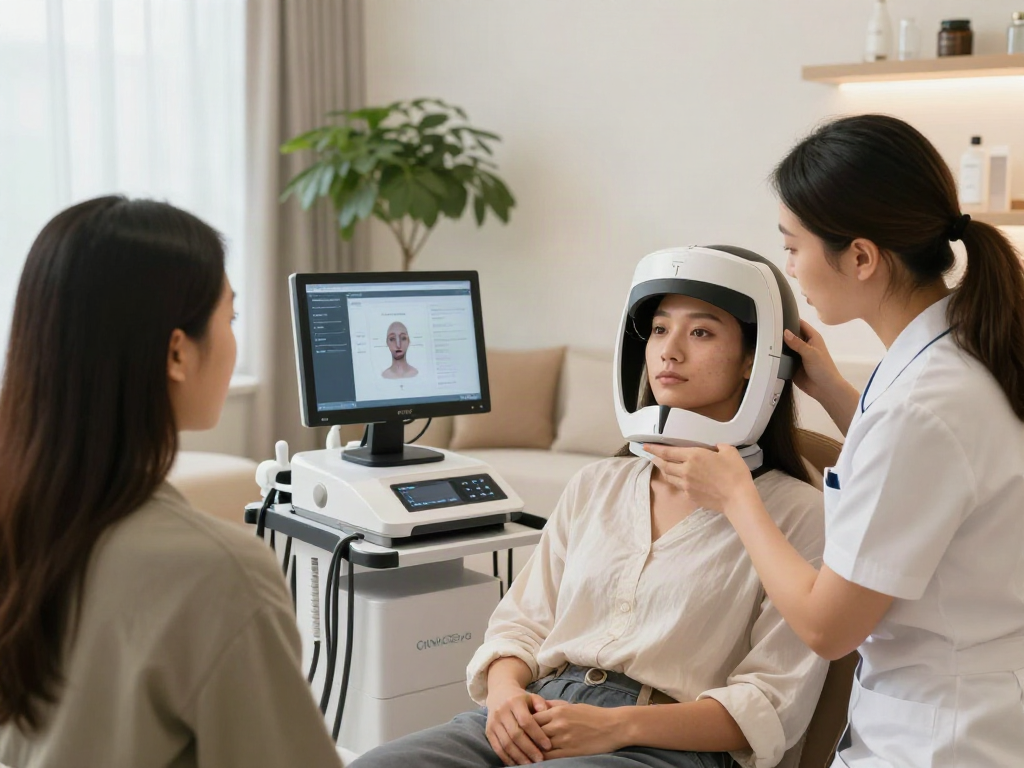
An attractiveness test is a systematic evaluation that analyzes a person's facial features to estimate their overall appeal. These tests typically involve uploading a photograph, which is then analyzed using algorithms designed to measure various aspects of facial aesthetics. The tests often provide a score based on multiple criteria, including facial symmetry, proportion, and adherence to certain beauty standards, such as the golden ratio.
The Science Behind Facial Attractiveness
The study of attractiveness is rooted in both biology and psychology. Research indicates that humans are inherently drawn to symmetrical faces, which are often perceived as more attractive. This preference may stem from evolutionary biology, where symmetry is associated with health and genetic fitness. Moreover, the golden ratio, approximately 1.618, has long been hailed as a mathematical representation of beauty, influencing art and design for centuries and now being applied in facial assessments.
Common Misconceptions About Attractiveness Tests
Despite their growing popularity, many misconceptions surround attractiveness tests. One major myth is that these assessments can provide definitive judgments about a person's worth or desirability. In reality, attractiveness is subjective and varies across cultures and individual preferences. Additionally, while these tests can offer insights based on certain metrics, they do not account for personality, charisma, or other non-visual traits that contribute to overall attractiveness.
How Attractiveness Tests Work: An Inside Look
Attractiveness tests utilize a combination of facial recognition technology and artificial intelligence to evaluate a person's facial features. By analyzing hundreds of data points related to facial structure, these tests generate a score that reflects perceived attractiveness.
Technology Used in Attractiveness Assessment
Modern attractiveness tests leverage advanced machine learning algorithms and computer vision technologies. These platforms analyze images for various facial characteristics, such as distance between features and the overall shape of the face. Neural networks—designed to learn from vast datasets—are instrumental in identifying patterns that are linked to attractiveness.
Key Metrics Evaluated in Attractiveness Tests
Several key metrics are commonly evaluated during attractiveness tests, including:
- Facial Symmetry: Assessors look for balance and proportion between the left and right sides of the face.
- Golden Ratio Compliance: Evaluations consider how closely facial dimensions adhere to the golden ratio.
- Facial Shape: The shape of the face can influence perceptions of attractiveness, with specific shapes often favored.
- Feature Dimensions: Measurements of the eyes, nose, and mouth are analyzed for proportion.
Understanding Test Results: Scores and Feedback
After completing an attractiveness test, participants typically receive a score and detailed feedback. Scores can vary significantly based on the algorithms and criteria used by different platforms. While a higher score may feel validating, it's important to contextualize the results and understand that they reflect only a narrow aspect of personal beauty.
Choosing the Right Attractiveness Test for You
With a multitude of options available online, selecting the right attractiveness test can feel overwhelming. Factors to consider include the platform's credibility, the technology used, and the metrics evaluated to ensure the assessment aligns with your needs.
Top Online Attractiveness Test Platforms Compared
Some popular platforms include:
- PFP Maker: Focuses on user-friendly design with various metrics for evaluation.
- The Face Report: Offers a comprehensive analysis based on 478 facial landmarks.
- Attractiveness Tester: A platform that combines AI with user-centric feedback mechanisms.
Choosing the right platform often depends on personal preferences regarding detail and user experience.
Factors to Consider When Selecting a Test
When selecting an attractiveness test, consider the following factors:
- Accuracy: Look for platforms that provide transparent methodologies for their evaluations.
- User Reviews: Feedback from previous users can provide insight into the reliability and user experience of the test.
- Accessibility: Ensure the platform is user-friendly and accessible across devices.
Free vs. Paid Attractiveness Tests: Pros and Cons
Free tests may offer basic evaluations, but often lack depth in analysis. Paid options tend to provide more comprehensive feedback and higher accuracy but can come with concerns about cost. Assess your budget and desired level of analysis before choosing between these options.
Real-World Applications of Attractiveness Testing
Attractiveness tests extend beyond personal curiosity; they play significant roles in various contexts such as social media, marketing, and even psychological research.
How Attractiveness Tests Affect Self-Perception
Taking an attractiveness test can impact an individual's self-esteem and body image. Depending on the outcome, individuals may feel empowered or discouraged. Understanding this psychological effect is crucial, as these tests can shape feelings of self-worth and influence social interactions.
Using Attractiveness Tests in Social Media and Marketing
Brands increasingly utilize attractiveness assessments in influencer marketing, often targeting individuals with high attractiveness scores to promote products. This trend emphasizes the significant role physical appeal plays in consumer behavior and brand perception.
Psychological Studies Related to Attractiveness Testing
Numerous studies link physical attractiveness to social advantages, such as job prospects and relationship opportunities. Attractiveness tests can serve as a useful tool for researchers to quantify these associations and explore the deeper implications of societal beauty standards.
The Future of Attractiveness Testing in 2026 and Beyond
The field of attractiveness testing is poised for significant advancements driven by emerging technologies. Looking forward, we can expect greater precision and personalization in evaluations.
Emerging Trends in Facial Assessment Technology
Future trends may include improved AI algorithms that provide more nuanced interpretations of beauty metrics, as well as the integration of augmented reality for real-time assessments. Enhanced user engagement features may also evolve, making the experience interactive and fun.
Predictions for the Evolution of Attractiveness Tests
As societal norms continue to shift, the criteria used in attractiveness assessments may adapt to reflect diverse standards of beauty. This evolution could lead to more inclusive tests that celebrate varied appearances rather than adhering to a singular ideal.
Ethical Considerations Surrounding Attractiveness Testing
As with any technology that influences self-perception, ethical considerations are paramount. The potential for misuse, such as fostering body image issues or encouraging superficial judgments, necessitates a thoughtful approach to the development and implementation of attractiveness tests.
What are the benefits of taking an attractiveness test?
Attractiveness tests can provide a structured way to reflect on personal aesthetics, offering insights into current beauty standards and helping individuals identify potential areas for self-improvement.
Can attractiveness tests provide insights into self-improvement?
Many individuals find that understanding their attractiveness can motivate positive changes in grooming, fitness, or health, thereby enhancing their overall image and self-confidence.
Are attractiveness tests scientifically valid?
While the underlying technology aims to be rooted in scientific principles, the subjective nature of beauty and varying societal standards can affect how valid these tests are perceived to be. It is important to approach results with a critical mindset.
How often should one take an attractiveness test?
There is no one-size-fits-all answer; however, taking an attractiveness test periodically can help track changes over time, allowing for personal growth and reflection on beauty standards.
What role does cultural perception play in attractiveness?
Cultural differences profoundly shape perceptions of beauty. What is considered attractive in one culture may be perceived differently in another, emphasizing the need for tests to adapt to diverse standards.