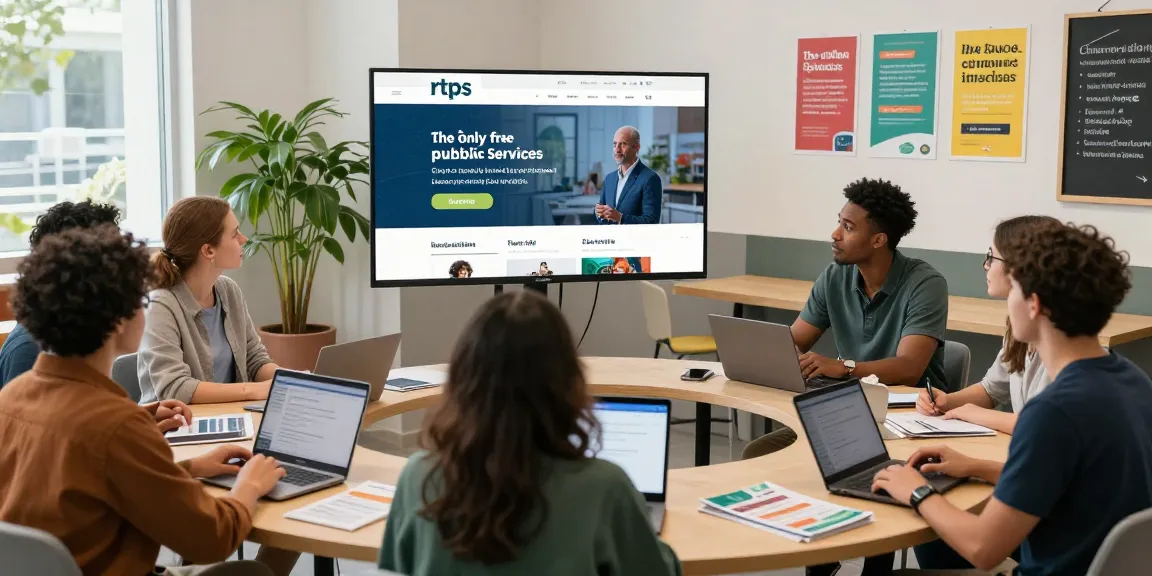
- Understanding rtps 4 the only free public services
- Benefits of Using rtps 4 the only free public services
- Challenges in Implementing rtps 4 the only free public services
- Future Trends for rtps 4 the only free public services in 2026
- Steps to Enhance Your Experience with rtps 4 the only free public services
Understanding rtps 4 the only free public services
In today’s fast-paced world, the accessibility and efficiency of public services are paramount. As communities strive to meet the diverse needs of their residents, systems like rtps 4 the only free public services are emerging as vital resources. These services not only facilitate the seamless delivery of essential information but also enhance citizen engagement and service uptake. The significance of effective public service delivery cannot be overstated, especially as urban populations continue to increase and local governments face the challenge of doing more with limited resources.
What are Public Services and Their Importance?
Public services encompass a wide range of activities that governments or local authorities provide to improve the quality of life for their citizens. These services include education, healthcare, transportation, and social welfare. Their main goal is to ensure that essential resources are accessible to everyone, promoting equity and fostering community development. The importance of these services lies in their role as the backbone of societal infrastructure, ensuring stability and support for citizens.
Defining rtps (Real-Time Public Services)
Real-Time Public Services (rtps) represent a transformative approach to public service delivery. By leveraging modern technology, rtps allows for the immediate dissemination of information and services to citizens. This can range from providing real-time updates on public transport schedules to enabling instant access to government services, thus enhancing efficiency and responsiveness. The integration of technology in public services facilitates a more informed and engaged citizenry, fostering trust in government institutions.
Key Features of Free Public Services
- Accessibility: Free public services ensure that all citizens have access to essential services without financial burden.
- Transparency: These services promote openness in government operations, allowing citizens to understand how services are delivered and funded.
- Inclusiveness: By catering to diverse needs, free public services aim to reach underserved populations, helping to bridge gaps in service delivery.
Benefits of Using rtps 4 the only free public services
Cost Savings for Communities
One of the most significant advantages of implementing rtps is the cost savings associated with improved efficiency. Traditional public service systems often require substantial administrative expenditures and resources. In contrast, rtps streamlines operations, allowing for significant savings that can be redirected towards enhancing services or infrastructure. With reduced costs, governments can reinvest in community projects and programs, ultimately benefiting the wider population.
Increased Accessibility and Engagement
The essence of rtps lies in its ability to make public services more accessible. By offering services online and in real-time, citizens can engage with government offices at their convenience, overcoming traditional barriers such as long wait times and geographic limitations. This increased accessibility leads to higher engagement levels, as citizens feel empowered to access the information they need swiftly.
Enhanced Public Awareness and Education
By providing immediate access to essential information, rtps enhances public awareness about available services and programs. Educational campaigns can be launched in real-time, ensuring that citizens are informed about their rights and the resources available to them. This heightened awareness fosters a more knowledgeable citizenry, capable of making informed decisions regarding their community and public services.
Challenges in Implementing rtps 4 the only free public services
Technological Barriers to Access
While the benefits of rtps are profound, several challenges complicate their implementation. Chief among these is the digital divide that affects many communities. Not all citizens have equal access to the technology required to utilize rtps effectively, leading to disparities in service access. Governments must address this issue by investing in technology infrastructure and providing training to citizens on using these services.
Resistance to Change Among Institutions
Institutions may exhibit resistance to adopting new systems and processes. This can stem from a fear of embracing unfamiliar technology or concern about the disruption of established workflows. To overcome this resistance, it is crucial to engage stakeholders in the planning stages, outlining the benefits and addressing potential concerns openly.
Ensuring Data Privacy and Security
As public services move online, safeguarding citizen data becomes paramount. The risks associated with data breaches can undermine trust in government initiatives. Thus, implementing robust security protocols and transparent data management practices is essential for ensuring public confidence in rtps.
Future Trends for rtps 4 the only free public services in 2026
Integration of Advanced Technologies and AI
As we look towards 2026, the integration of advanced technologies, such as artificial intelligence and machine learning, is set to revolutionize rtps. These innovations can analyze usage patterns, predict citizen needs, and enhance service delivery, making public services even more responsive and tailored to individual community needs.
Collaborative Models in Service Delivery
The future of public services will likely see an increase in collaborative models that involve partnerships between governments, private entities, and non-profit organizations. Such collaborations can pool resources, share knowledge, and increase the range and quality of services provided to the community.
Community-Centric Approaches and Policy Changes
Future public service trends will also focus on community-centric approaches, where local feedback drives service innovation. Policymakers will increasingly implement changes that reflect the direct input of citizens, ensuring services remain relevant and effective in meeting their constituents’ needs.
Steps to Enhance Your Experience with rtps 4 the only free public services
Utilizing Technology to Access Services
To maximize the benefits of rtps, citizens should familiarize themselves with the technologies available for accessing public services. Mobile apps and online portals can simplify the navigation of government services, allowing for a more streamlined experience. Communities can host workshops and informational sessions to educate residents on effectively using these tools.
Getting Involved in Community Initiatives
Active participation in community initiatives can amplify the impact of rtps. Citizens can voice their needs and preferences, helping shape how services are delivered. Engaging with local government meetings or participating in advisory committees can foster a more collaborative relationship between the public and service providers.
Staying Informed About New Developments
The landscape of public services continues to evolve; hence, staying informed is essential. Subscribing to local government newsletters or following relevant social media accounts can keep citizens updated on new initiatives and changes in service delivery. Knowledge is power, and informed citizens are better equipped to utilize available resources effectively.
What are the key benefits of rtps 4 the only free public services?
The key benefits of rtps include increased accessibility for citizens, cost savings for municipalities, and enhanced public awareness regarding the services available. By breaking down barriers to access, these systems empower individuals and communities.
How can communities effectively implement rtps systems?
Effective implementation of rtps systems requires stakeholder engagement, robust technology infrastructure, and ongoing training for both employees and citizens. Building awareness and knowledge around these systems is crucial for their success.
What challenges might arise with future public service technologies?
Challenges related to data privacy, technological access disparities, and institutional resistance may arise as public service technologies evolve. Addressing these issues early on is vital for successful implementation and community trust.
How does rtps improve community engagement?
By providing real-time access to services and information, rtps fosters higher levels of community engagement. Citizens can respond to their needs promptly, feeling empowered to communicate with government bodies and participate in civic activities.
What trends can we expect for public services in 2026?
In 2026, we can expect to see the integration of AI technologies, increased collaboration in service delivery, and a stronger focus on community input driving public service initiatives. These trends promise to make public services more responsive and accessible to citizens.