Understanding Eye Care Services
In today’s fast-paced world, eye health is often overlooked, yet it is crucial for maintaining overall well-being. The SNU Eye Clinic offers a comprehensive range of services designed to meet the diverse needs of patients. As an industry leader in eye care and surgery in Korea, we focus on providing advanced treatment options to ensure optimal vision health. By understanding the importance of eye care services and the various treatments available, patients can make informed decisions about their eye health. For those seeking a detailed and informative detail resource on eye care, this article explores the intricacies of our offerings.
What is a Detail Resource in Eye Care?
A detail resource in eye care refers to a comprehensive collection of information that assists patients in understanding various eye conditions, treatments, and the latest advancements in ophthalmology. It encompasses everything from basic eye care principles to specific surgical techniques, tailored to meet individual patient needs. Resources like those offered by the SNU Eye Clinic ensure that patients are well-informed and can actively participate in their treatment plans.
Importance of Comprehensive Eye Exams
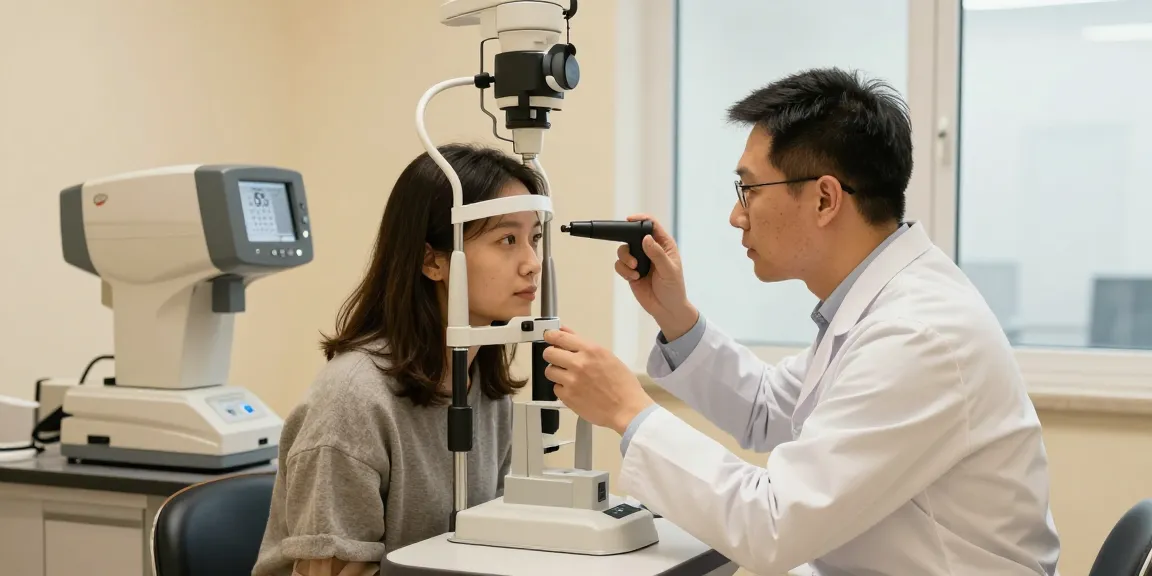
Routine eye examinations are essential for detecting and preventing vision problems before they become serious. Comprehensive eye exams typically include a series of tests that assess overall eye health, visual acuity, and the presence of eye diseases. These exams help identify conditions such as glaucoma, cataracts, and macular degeneration early on, allowing for timely intervention and treatment.
Key Eye Conditions Addressed
- Myopia (Nearsightedness): A common refractive error that causes distant objects to appear blurry.
- Hyperopia (Farsightedness): Difficulty focusing on nearby objects, often leading to eye strain.
- Astigmatism: An irregular curvature of the cornea that distorts vision at all distances.
- Cataracts: Clouding of the eye’s natural lens, leading to diminished vision over time.
- Macular Degeneration: A progressive condition affecting the center of the retina, leading to central vision loss.
Innovative Treatment Options at SNU Eye Clinic
The SNU Eye Clinic is committed to delivering cutting-edge treatments tailored to the individual needs of our patients. With a focus on personalized vision correction methods, we utilize the latest technology and techniques to improve patient outcomes. Our advanced treatment options include traditional surgical procedures and innovative solutions like implantable contact lenses.
Breakdown of Personalized Vision Correction
Personalized vision correction involves customizing treatment plans based on each patient’s specific visual needs and lifestyle. Techniques such as LASIK, PRK, and ICL (Implantable Collamer Lens) are examined closely to determine the best fit for the patient. At SNU Eye Clinic, we prioritize a 1:1 vision correction consultation to ensure that each patient understands their options and feels confident in their treatment choice.
ICL vs. Toric ICL: What’s the Difference?
Understanding the difference between ICL and Toric ICL is crucial for patients seeking effective vision correction options. ICL is designed for individuals with moderate to severe myopia, while Toric ICL addresses astigmatism in addition to myopia or hyperopia. Both procedures offer significant advantages over traditional lenses and are reversible, making them appealing choices for many patients.
52 Detailed Tests: Ensuring Accurate Diagnosis
At SNU Eye Clinic, we conduct a battery of 52 detailed tests that fall into seven comprehensive categories to ensure accurate diagnosis and treatment planning. This extensive testing protocol allows our ophthalmologists to gather crucial data on each patient’s visual abilities and eye health. By leveraging advanced diagnostic equipment, we can tailor our treatment plans more effectively, ensuring the best possible outcomes.
Patient-Centric Approach to Eye Health
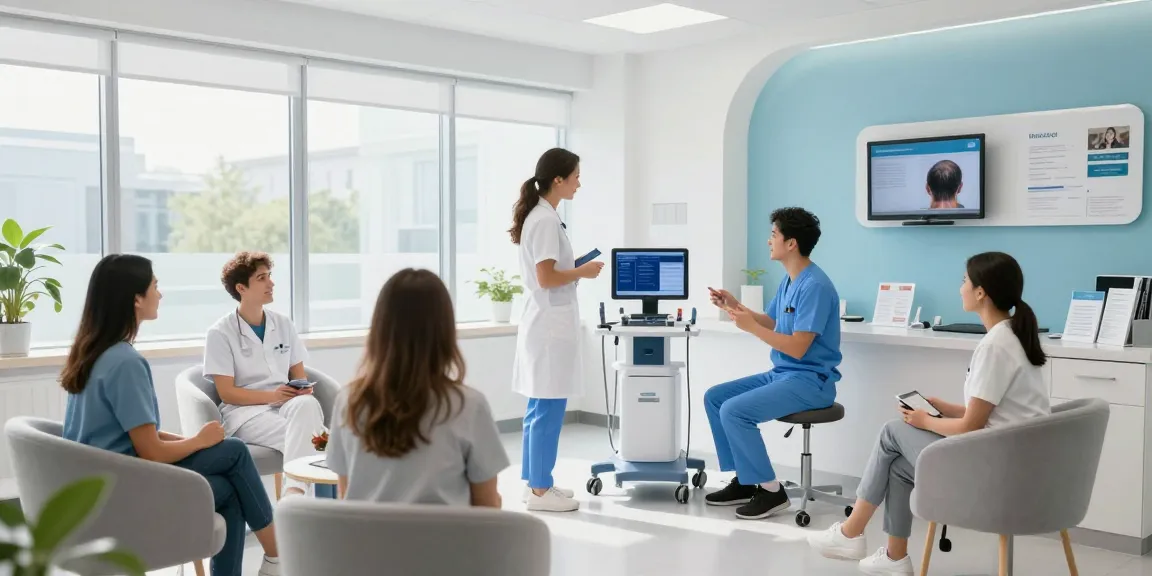
Our commitment to patient care goes beyond surgical procedures; it encompasses a holistic, patient-centric approach that prioritizes the needs and experiences of our clients. We believe that informed patients experience better outcomes and higher satisfaction levels, which is why we invest heavily in education and personalized consultations.
Personalized Consultations: What to Expect
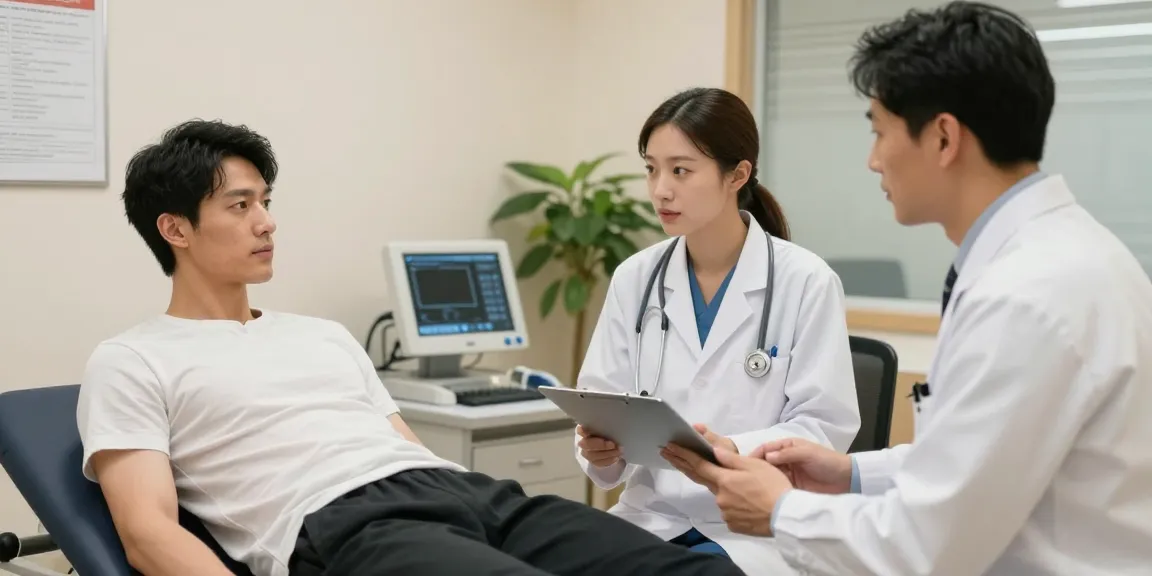
During a personalized consultation at the SNU Eye Clinic, patients can expect a thorough evaluation of their eye health, discussion of their vision goals, and a review of suitable options. Our skilled staff takes the time to understand patient concerns and preferences, leading to a more tailored treatment plan.
Importance of 1:1 Vision Correction Consultations
1:1 consultations are vital for several reasons. They allow for a detailed discussion of the patient’s specific challenges and lifestyle needs, ensuring that treatment options are personalized. Additionally, these consultations help to build a trusting relationship between the patient and the clinician, fostering an environment of open communication.
Patient Success Stories and Testimonials
Many patients have shared their success stories and positive experiences after undergoing treatment at the SNU Eye Clinic. From improved vision that enhances daily activities to newfound confidence and freedom, testimonials highlight the impact of personalized care and advanced technology on patient satisfaction. Hearing from those who have undergone treatment can be an inspiring factor for prospective patients.
Technological Advancements in Eye Surgery
The landscape of eye surgery is constantly evolving, thanks to technological advancements that enhance precision, safety, and outcomes. The SNU Eye Clinic is at the forefront of these innovations, integrating the latest surgical techniques into our practice to provide state-of-the-art care.
Overview of High-Precision Surgical Techniques
Surgical techniques such as femtosecond laser surgery and wavefront-guided procedures allow for greater accuracy and customization during operations. These methods reduce the risk of complications and enable quicker recovery times, making them appealing to both patients and surgeons alike. By staying abreast of these advancements, we are able to offer our patients the best care possible.
How Technology Enhances Surgical Outcomes
Technology plays a vital role in improving surgical outcomes. For instance, advanced imaging techniques can accurately map the eye’s surface, allowing for precise corrections during procedures. Furthermore, real-time monitoring during surgery ensures that surgeons can make adjustments as needed, contributing to increased patient safety and satisfaction.
Future Trends in Eye Surgery for 2026
As we look toward 2026, the field of eye surgery is expected to witness significant advancements. Innovations such as artificial intelligence will likely enhance diagnosis accuracy and treatment customization, while robot-assisted surgeries may become more prevalent, offering greater precision and efficiency. These trends represent the future of eye care, emphasizing the importance of staying informed and prepared for the evolving landscape of eye health.
Preparing for Your Eye Clinic Visit
Preparation is key to maximizing the benefits of your visit to the SNU Eye Clinic. Knowing what to expect and how to prepare can make the process smoother and more effective for both patients and practitioners.
What to Bring for Your Appointment?
When attending your appointment, it’s helpful to bring relevant medical records, a list of medications you’re currently taking, and any eyeglasses or contact lenses you use. This information will aid our specialists in providing a more accurate assessment of your eye health.
Common Questions to Ask Your Eye Specialist
Patients should feel empowered to ask questions during their consultations. Common inquiries might include details about treatment options, possible side effects, recovery times, and what to expect post-surgery. Engaging in a dialogue with your eye specialist ensures that you leave with a clear understanding of your care plan.
Follow-Up Care: Next Steps After Treatment
After treatment, follow-up care is crucial for monitoring healing and ensuring the desired outcomes are achieved. Our team will provide specific instructions, including scheduled check-ups and any additional therapies that may be necessary. Adhering to these guidelines will significantly enhance the chances of a successful recovery.