Understanding Smart Locks: What You Need to Know
As technology continues to evolve, so do the ways we secure our homes. One of the most significant advancements in home security technology is the introduction of smart locks. These devices offer a modern solution that combines convenience with enhanced security, catering to the needs of today’s homeowners. When exploring options, قفل هوشمند provides comprehensive insights into the features and benefits that can transform the way you access and secure your home.
What is a Smart Lock?
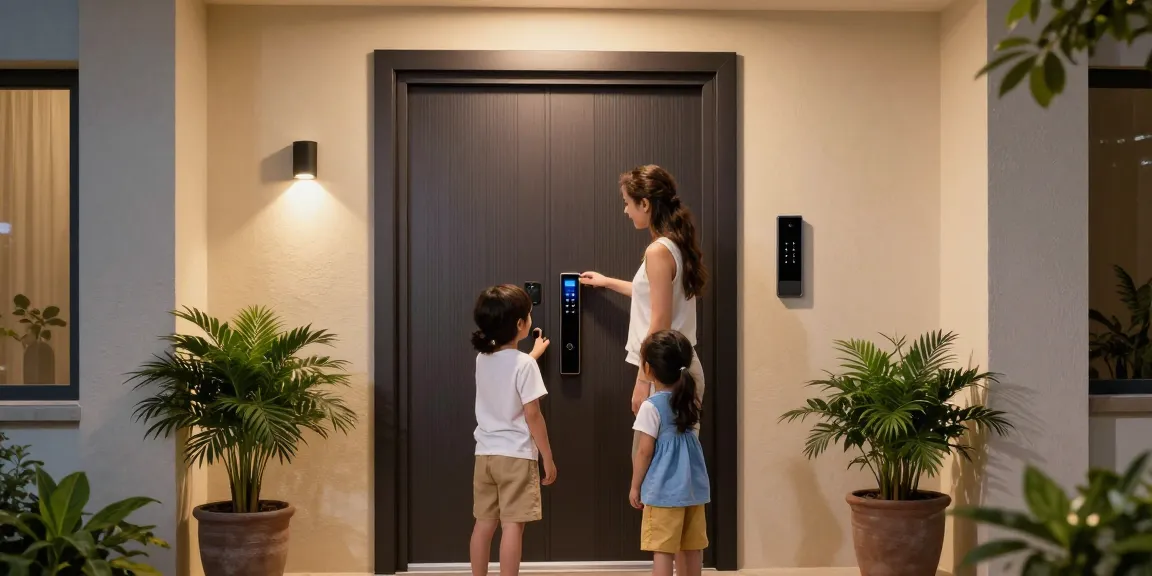
A smart lock is an electronic locking mechanism that allows users to unlock their doors using a smartphone app, smart home system, or key code instead of traditional physical keys. These locks can connect to your home network, enabling remote access and control through various connected devices. This innovation not only streamlines the entry process but also offers functionalities such as monitoring access and setting custom entry codes for guests.
How Smart Locks Work
Smart locks operate using various technologies, including Bluetooth, Wi-Fi, and Z-Wave. When a user approaches the door with their smartphone, the lock can communicate with the device and grant access automatically. Many models also come with a keypad, allowing users to enter a code for entry. Smart locks typically have a built-in rechargeable battery or use standard batteries, ensuring they remain functional even during a power outage.
Key Benefits of Using Smart Locks
- Convenience: No more fumbling for keys; you can unlock your door with your phone or a simple keypad entry.
- Enhanced Security: Smart locks can provide features like automatic locking, alerts for unauthorized access, and easy monitoring through mobile apps.
- Remote Access: Grant access to guests or service providers without being physically present at your home.
- Customizable User Codes: Create unique entry codes for guests, which can be easily changed or removed.
Choosing the Right Smart Lock for Your Home
With the growing market for smart locks, selecting the right model for your home can be daunting. It's crucial to consider various factors to ensure you get a lock that meets your specific needs and preferences.
Factors to Consider When Selecting a Smart Lock
- Compatibility: Ensure that the smart lock is compatible with your existing door hardware and any home automation systems you may have.
- Security Features: Look for additional features such as two-factor authentication, tamper alarms, and encryption protocols.
- Batteries: Consider how the lock is powered and how often you'll need to change or recharge the batteries.
- Installation: Determine if the lock allows for DIY installation or if professional installation is recommended.
Comparing Popular Smart Lock Brands
Several brands dominate the smart lock market, each offering unique features. Some of the most reputable brands include:
- August: Known for its retrofitting capabilities and ease of use.
- Schlage: Offers robust hardware and multiple access options.
- Yale: A pioneer in smart lock technology with seamless integration into home automation systems.
- Kwikset: Provides customizable features and a range of lock designs.
Best Features in Smart Locks for 2026
The smart lock industry is rapidly evolving, with innovative features emerging. Some of the best features expected in 2026 include:
- Integrations: Enhanced compatibility with various smart home ecosystems.
- Advanced Biometrics: Fingerprint recognition and facial recognition capabilities for improved security.
- Machine Learning: Adaptive systems that learn user patterns and improve functionality over time.
- Enhanced Durability: Locks designed to withstand the elements and resist tampering.
Installation and Setup of Smart Locks
Once you’ve selected the perfect smart lock, the next step is installation and setup. Depending on your choice, you may have two options: DIY installation or professional assistance.
DIY Installation vs. Professional Installation
Many smart locks are designed for easy DIY installation, often requiring just a screwdriver and a few minutes of your time. However, if you are not comfortable with home improvement tasks, it might be worth hiring a professional to ensure proper setup and functionality.
Step-by-Step Guide to Setting Up Your Smart Lock
- Remove the Existing Lock: Unscrew and remove the current lock on your door.
- Install the Smart Lock: Follow the manufacturer’s instructions to install the new lock in the same position.
- Sync with the App: Download the corresponding app and follow the prompts to connect your lock to your smartphone.
- Test Functionality: Ensure that the lock operates correctly using the app, keypad, or additional features.
Common Installation Mistakes to Avoid
When installing your smart lock, be mindful of these common pitfalls:
- Failing to check door alignment before installation.
- Not following the manufacturer’s installation instructions closely.
- Overlooking security features during setup.
- Neglecting to test the lock after installation.
Enhancing Home Security with Smart Lock Technology
Smart locks can significantly improve your home security when integrated with other security systems. By enhancing your overall security framework, you can achieve a safer living environment.
Integrating Smart Locks with Home Security Systems
Smart locks can be paired with cameras, alarms, and other security features for a comprehensive security solution. When combined, these tools provide real-time monitoring and alerts for any unusual activity.
Best Practices for Using Smart Locks Securely
To maximize the security of your smart lock, consider the following best practices:
- Regularly change entry codes and update app passwords.
- Keep the lock software up to date to protect against vulnerabilities.
- Enable two-factor authentication if available.
- Review access logs periodically to track who has accessed your home.
Future Trends in Home Security Technology
The future of home security is bright, with advancements in AI, IoT, and mobile technology shaping the next generation of smart locks. From voice-activated systems to enhanced data encryption, the capabilities of smart locks are expected to become even more sophisticated, making them essential for modern homeowners.
FAQs about Smart Locks
How secure are smart locks compared to traditional locks?
Smart locks can provide enhanced security features that traditional locks do not offer, such as remote access control and alerts for unauthorized entry. However, their security depends on the technology used and how well the lock is integrated into your overall security system.
What happens if the battery in a smart lock dies?
Most smart locks have a backup key option or a temporary access method, such as a key code, that allows entry even when the battery is low. It's essential to monitor battery levels and replace them as needed.
Can smart locks be hacked?
While no technology is entirely immune to hacking, reputable smart lock manufacturers implement strong encryption and security protocols. Regular software updates and adherence to best practices can significantly reduce the risk of hacking.
Are there smart locks that don’t use Wi-Fi?
Yes, many smart locks use Bluetooth or Z-Wave technology, allowing them to operate without a Wi-Fi connection. These locks can still offer convenient access methods through smartphones and keypads.
What are the top features to look for in a smart lock?
The top features to seek in a smart lock include compatibility with your smart home system, remote access capabilities, customizable user codes, and robust security measures like encryption and alarms.